Produces parts for larger versions of existing equipment.

Produces parts for larger versions of existing equipment.

Produces copies of its own parts so as to eventually copy the entire set.

Diversification in terms of manufacturing is essential for long term sustainability and continued use.
Here is an example why this is important.
In when resources run out or interests change this factory can change to meet the changing demand.

Thank you bitcoin community for helping make this project happen. Not only did we achieve our goal but we doubled it from a very generous individual . The project we are undertaking is huge and but this was a big step forward and is really making this project possible.

We raised a total of 20 BTC for the project.
As the project progresses we will be updating you here.
https://bitcoinstarter.com/projects/18
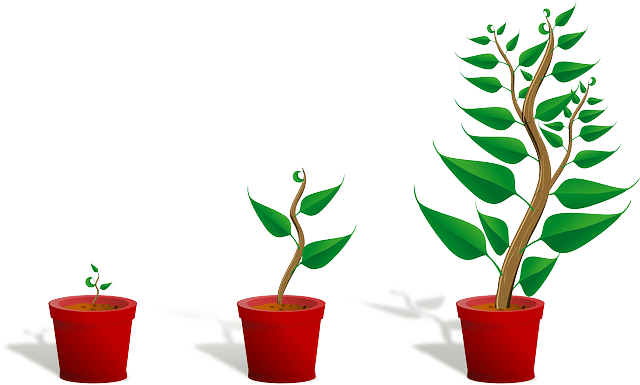
The Seed Factory Project is a new kind of production system with an ultimate goal of ending material scarcity and bringing about a better quality of life for everyone. The “Seed” is a starter kit of about 8 different machines that grows into a mature factory, in the same way a plant seed grows into a mature plant. Living plants use local energy (sunlight) and local raw materials (soil, water, and air) to expand themselves. Similarly, a Seed Factory will use local energy (solar, wind, and other renewable sources) and local raw materials to expand itself and make everyday things.
Each part of the factory contributes to several goals:
The design concept follows modern sustainability principles. Using local resources to produce the products eliminates multiple stages of shipping items over long distances. Because of this we are able to eliminate much of the energy and excess packaging in conventional production and final delivery. Using a large amount of renewable energy (solar, wind, and biofuel) drastically reduces the footprint of producing and distributing these items.
Low cost and efficiency are not only about the products, they are also about expanding and maintaining the factory itself. Many of the parts that the mature factory uses will be made by the seed kit, and the growing assortment of expansion equipment added to it over time. Since the factory can copy its own parts, it can make spares and replacements as needed. These feature make the factory inexpensive to build, repair or even copy itself (for the most part).
The final piece of the puzzle is computer-driven automation. Since multiple stages of production are gathered in one area, you can not only automate each process, but also handing off items from one step to the next. Automation also increases productivity (more stuff for less human work). By leveraging all these advantages, Seed Factories should be much cheaper and more efficient than conventional factories. If a mature factory is able to produce more starter kits, the number of factories can grow to whatever level required to satisfy people’s material needs. This is especially helpful in parts of the world that lack basic needs. Note that at current levels of technology, we don’t expect to reach 100% automation or be able to make 100% of parts internally. We expect we can reach high percentages of these, but still need some human labor, complex parts and materials.
We began the Seed Factory Project because we think automation and robotics is at a level where such factories are now possible. The benefits to humanity are so large as to make the effort worthwhile. Our goal is to develop the technology, build working prototypes, and demonstrate that self-expanding factories in fact work.